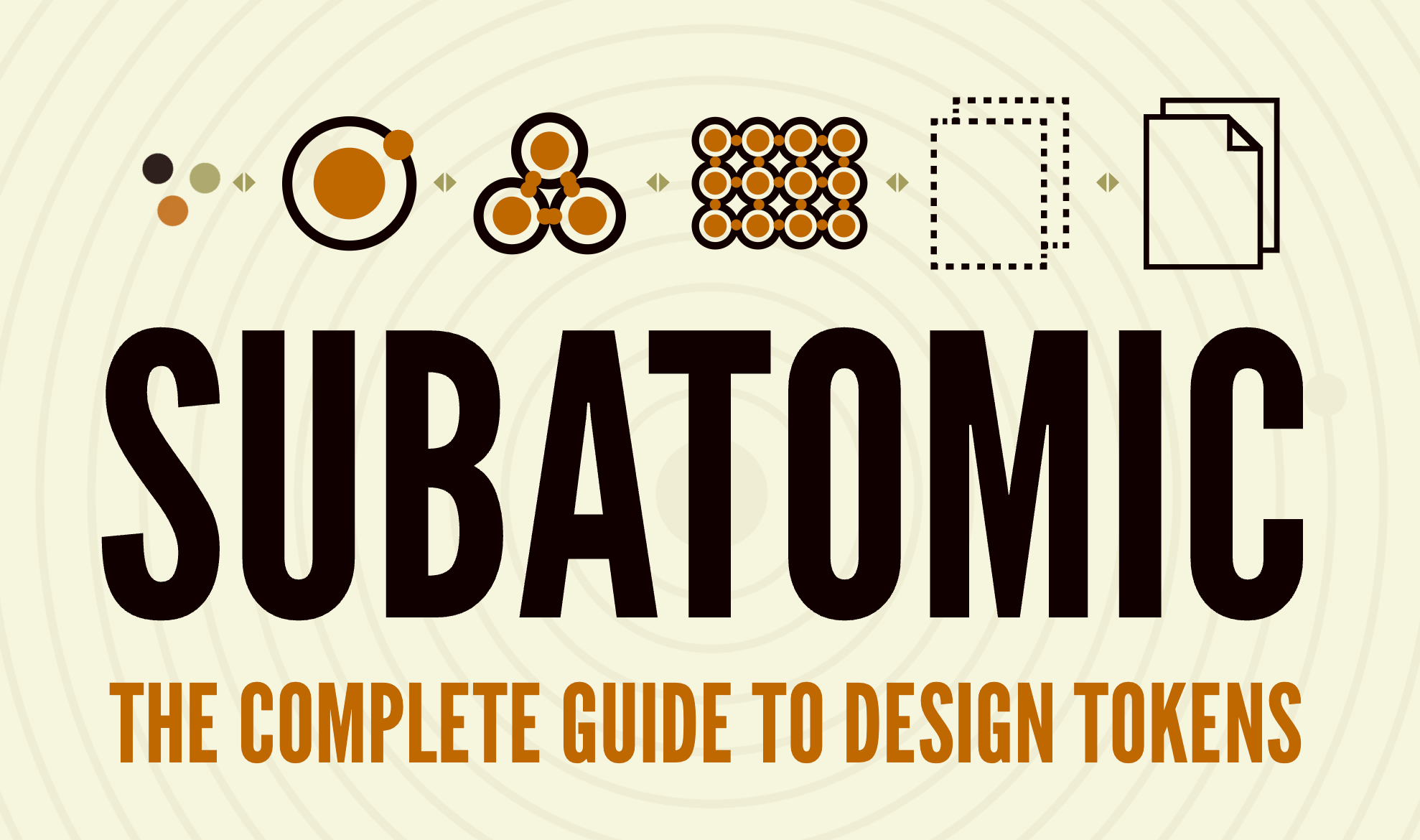
Before this, I understood design tokens conceptually. Colors. Spacing. Typography. Variables. Sure. But in the past few days, something clicked. Design tokens aren’t just variables. They’re agreements. And Atomic Design isn’t just a metaphor. It’s an operational model for scale. Let me explain.
The Shift: From UI Pieces to System Infrastructure
In many teams, design systems are treated as component collections — buttons, cards, modals, form fields.
But components are outputs. Tokens are inputs. Atomic Design breaks interfaces into atoms (basic elements), molecules (groups of atoms), organisms (complex assemblies), templates, and pages. Tokens operate even deeper than atoms. They define:
- Why a color exists
- What role spacing plays
- How typography communicates hierarchy
- How motion conveys meaning
Tokens power atoms. Atoms build molecules. Molecules scale into systems. That layering changed how I think about architecture.
The Real Value of Design Tokens in Enterprise Work
Enterprise systems aren’t complicated because of UI. They’re complicated because of scale. Multiple teams. Multiple products. Multiple brands. Multiple platforms. Without tokens:
- Designers redefine spacing decisions
- Developers hardcode visual values
- Rebrands become expensive
- Accessibility becomes inconsistent
- Dark mode becomes painful
With tokens:
- A single change propagates everywhere
- Themes become configurable instead of rebuilt
- Brand evolution becomes strategic instead of reactive
What stood out most in the course is how tokens enable controlled flexibility. You can change appearance without rewriting structure. That’s powerful.
Semantic Naming Was a Big Unlock
One of the biggest mindset shifts for me was around semantic versus raw tokens.
Instead of naming things based on raw values like specific shades of blue or fixed pixel numbers, you define tokens based on purpose — such as primary brand color, muted surface, or medium spacing.
That shift changes everything. Now tokens describe intent, not just value. When brand colors change, you update the value — not every usage. When accessibility standards evolve, you adjust tokens — not hundreds of components. It’s not just cleaner. It’s sustainable.
Atomic Design Feels Different When Paired With Tokens
I’ve known about Atomic Design for years, but pairing it with token thinking made it feel less theoretical and more practical. Without tokens, Atomic Design can become a component exercise. With tokens, it becomes a dependency map:
- Atoms depend on tokens
- Molecules depend on atoms
- Organisms depend on molecules
- Pages depend on everything
It’s a system of trust and abstraction. And abstraction is what makes scale possible.
What Changed in My Design Process
After this course, I’ve started approaching new design work differently.
1. I define foundations before components
Before I design a button, I ask:
- What are our surface levels?
- What semantic color roles exist?
- What spacing scale supports density and readability?
2. I think in themes early
Light mode isn’t an afterthought. Neither is dark mode. If tokens are structured correctly, theming becomes configuration — not duplication.
3. I consider engineering integration sooner
Tokens are most powerful when they flow into code automatically. Design that doesn’t translate creates friction. Tokens reduce translation work.
The Bigger Realization
The biggest takeaway wasn’t technical. It was organisational. Design tokens reduce friction between:
- Design and engineering
- Branding and product
- Speed and consistency
They turn design decisions into shared assets. And in enterprise environments, shared assets are leverage.
Where I’m Going Next
I’m now exploring:
- How to structure multi-brand token systems
- How to align tokens with accessibility goals
- How token governance affects team autonomy
- How to document token intent for cross-functional clarity
Because the real challenge isn’t creating tokens. It’s maintaining clarity as the system grows.
Final Thoughts
Design tokens aren’t trendy. They’re structural. Atomic Design isn’t just conceptual. It’s operational. The past few days reinforced something important: Great design systems aren’t about making UI faster. They’re about making decisions reusable. And that shift from pixels to principles is where enterprise UX becomes strategic.